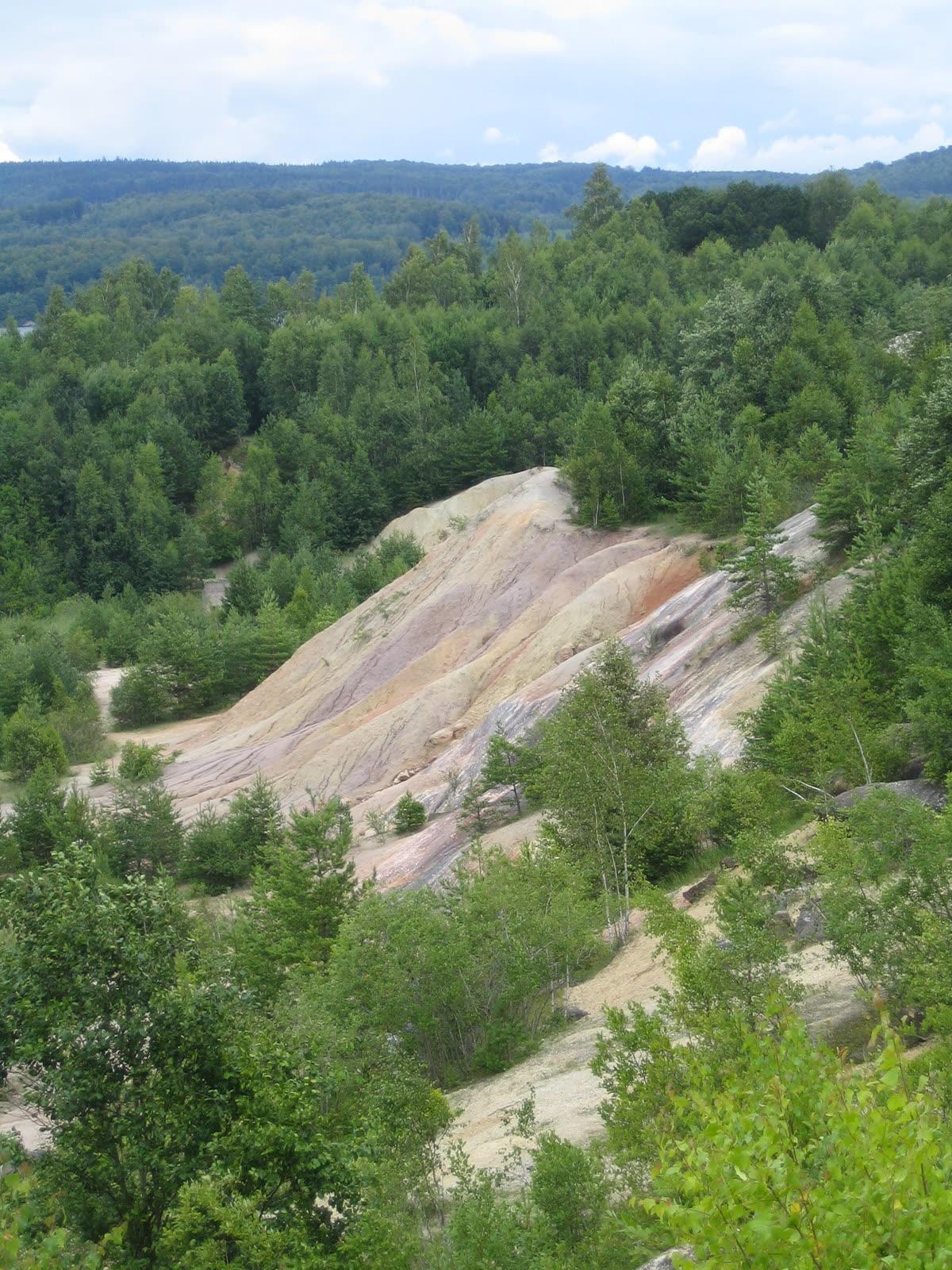
Ivö Klack Fossil Hunting Guide
Image: jorchr (CC BY-SA 3.0)
Ivö Klack is a Swedish nature reserve with an old kaolin and limestone quarry in Late Cretaceous shell-gravel limestone. The reserve rules allow careful manual digging for fossils. Entry is free.
By Edward Chen · Published 1 October 2026
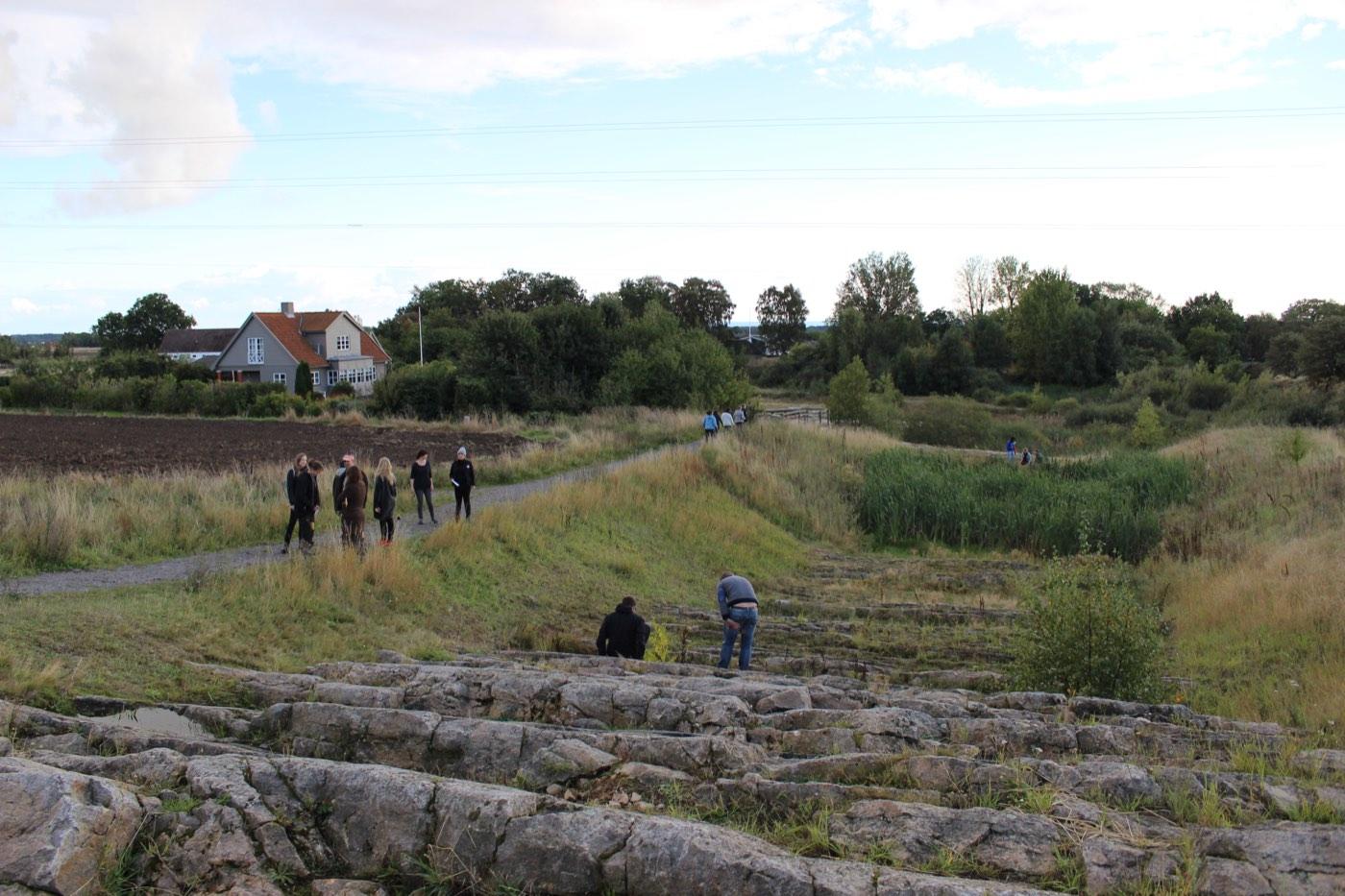
 Photo: Rose Abrams, CC BY 4.0, via Wikimedia Commons

Introduction
Ivö klack is a nature reserve on Ivö island in Lake Ivösjön, in Kristianstad municipality, Skåne. It covers 417 hectares and Länsstyrelsen Skåne manages it. The reserve holds an abandoned quarry where you can find Late Cretaceous fossils.
The quarry rock formed about 80.5 million years ago, in the latest early Campanian. At that time Ivö klack was a small island in a shallow sea. Oyster shells, sea urchins and belemnites are the most common finds.
Many collectors expect a Swedish nature reserve to ban fossil collecting. At Ivö klack the regulation makes an exception for fossil hunting. The exception is narrow, and the Collecting Rules section quotes it.
The land is private. Länsstyrelsen created the reserve in 2016 and rewrote the regulation in December 2024. The rules below come from that 2024 decision.
Location and Directions
The Klacken car park lies at 56.1384°N, 14.3996°E, at the north end of the reserve. It is the largest car park and has space for buses. It has a simple toilet. A second entrance at Ljungen is on the south side.
The old quarry is near the Klacken car park. An open-air museum with signs stands beside it. Länsstyrelsen marks a yellow trail of 2.1 km around the quarry. It rates the trail as easy.
Ivö is an island. A free cable ferry crosses from Barum to Ivön. The crossing is 700 m and takes about seven minutes. Call the ferry in the Trafikinfo Färjerederiet app. Trafikverket does not list opening hours on its page, so check the app.
The reserve pages state no entry fee and no opening hours. The reserve is open land. For questions, telephone Länsstyrelsen Skåne on 010-224 10 00.
Four more trails exist. The blue trail is 4.3 km and climbs to the top. The green trail is 4.2 km. The red trail is 3.5 km and the white trail is 5.3 km. All trails carry information signs.
What Fossils You'll Find
Länsstyrelsen names oyster shells, sea urchins and belemnites as the most common fossils in the quarry. Belemnites are extinct squid relatives with cigar-shaped shells. Swedes also call them vätteljus.
A published fauna list for the Kristianstad Basin names species from Ivö klack. Oysters include Arcostrea diluviana and Rastellum diluvianum. The spiny oyster Spondylus labiatus and the brachiopod Crania craniolaris also occur. The belemnites include Belemnellocamax mammillatus and Belemnitella mucronata.
The same list names the coral Acrosmilia baltica and the sea urchin Echinogalerus peltiformis. Shark teeth from the quarry include Cretoxyrhina mantelli and Archaeolamna kopingensis. The list is a compilation, so treat it as a guide to what the rock has produced.
Reptile finds are mostly old. Lindgren and Siverson wrote in 2004 about mosasaurs from the Kristianstad Basin. They note that museum collections from Ivö klack date from the early twentieth century. Those collections favor large bones.
In those collections, the teeth of the mosasaur Tylosaurus ivoensis are the most common mosasaur fossils. The species takes its name from Ivö. The mosasaur Clidastes propython is known from vertebrae and one tooth.
Länsstyrelsen also lists tooth and skeletal parts of dinosaurs among the finds. The published fauna list ties the basin's dinosaur remains to other sites, Åsen, Ullstorp and Ugnsmunnarna. Do not plan a visit around dinosaur bones.
Geologic History
The basement rock is Vånga granite, about 1.3 billion years old. Chemical weathering in the Mesozoic turned part of the granite into kaolin clay. Länsstyrelsen gives the weathering span as 250 to 70 million years ago.
In the Late Cretaceous the sea rose. The landscape became an archipelago, and Ivö klack was a small island. Sharks, large turtles and plesiosaurs swam in the sea. Oysters, other bivalves and snails lived on the sea floor.
Shell debris piled up and hardened into shell-gravel limestone. Lindgren and Siverson place the Ivö klack strata in the Belemnellocamax mammillatus zone, in the latest early Campanian. Sandy limestone and coarse limestone rest on kaolin or on granite. Storm layers hold belemnite guards, shell debris and granite pebbles.
Surlyk and Christensen, cited by Lindgren and Siverson, showed that the strata formed in the intertidal zone. This was a rocky shore.
No source that this guide read gives a formal formation name for the Ivö klack strata. The frontmatter therefore names the basin and the zone. The 2016 management plan states the shell-gravel limestone is 70 million years old. The peer-reviewed zone date is earlier, so this guide uses 80.5 million years.
Quarrying of kaolin and limestone began at Blaksudden in the 1880s. Iföverken ran it. Länsstyrelsen says it continued until the mid-1960s. The quarry floor and faces are what you see today.
Collecting Rules and Regulations
The regulation allows careful fossil digging. Do not assume it allows more than that. The 2024 decision, section C, point 5, forbids you to "ta bort, gräva, borra, måla eller på annat sätt skada mark, sten, rasbranter, kulturlämningar, terrängformer". In English, it forbids removing, digging, drilling, painting or damaging ground, stone, scree slopes, cultural remains and landforms.
The same point makes one exception. It permits "varsam, manuell och ytlig grävning" in connection with fossil hunting in the Cretaceous sediment, and sampling of the underlying kaolin-weathered rock. In English, that is careful, manual and shallow digging.
Key Points:
- Use hand tools only, and keep any digging shallow.
- Do not hammer or split rock, which falls outside the stated exception.
- Do not drill, paint or mark rock or scree slopes.
- Do not search the southeast slope of the quarry, for the reason given under Safety.
The regulation does not say whether you may keep what you find. Ask Länsstyrelsen on 010-224 10 00 before you take home anything unusual. The reserve carries other rules that have nothing to do with fossils.
- Keep dogs on a lead, and make fires only at marked sites.
- Do not catch insects, spiders or snails without a permit from Länsstyrelsen.
- Do not collect moss, lichen or wood fungi without the same permit.
- Do not enter the zone marked on map 2 between 1 February and 31 August.
The 2016 management plan describes careful surface picking and gentle scraping as harmless to the slopes. The regulation text does not mention hammers or chisels. The regulation also bans quarrying.
Safety
Stay out of the southeast slope of the old quarry. The 2016 management plan says it is unsuitable for fossil search. Large round granite boulders sit in the shell-gravel limestone above an exposed weathering front. Digging there can undermine them, and they can fall.
The plan names the slope north of the road as suitable for fossil search. Work at the foot of faces only if the ground looks stable. Never dig under an overhang or a boulder.
The regulation protects scree slopes, so stay off them. Wear sturdy shoes with grip. Keep children away from the faces.
The island needs a ferry crossing. Check the ferry in the app before you plan your return. Bring water and warm layers.
Pick up your rubbish. Fires with wood or branches from the forest are not allowed. Bring your own wood or charcoal.
Sources
https://www.lansstyrelsen.se/skane/besoksmal/naturreservat/kristianstad/ivo-klack.html https://geodata.naturvardsverket.se/handlingar/rest/dokument/1027582 https://geodata.naturvardsverket.se/handlingar/rest/dokument/1023031 https://www.app.pan.pl/archive/published/app49/app49-219.pdf https://en.wikipedia.org/wiki/Paleobiota_of_the_Kristianstad_Basin https://www.trafikverket.se/resa-och-trafik/farjetrafik/ivoleden/
Nearby sites
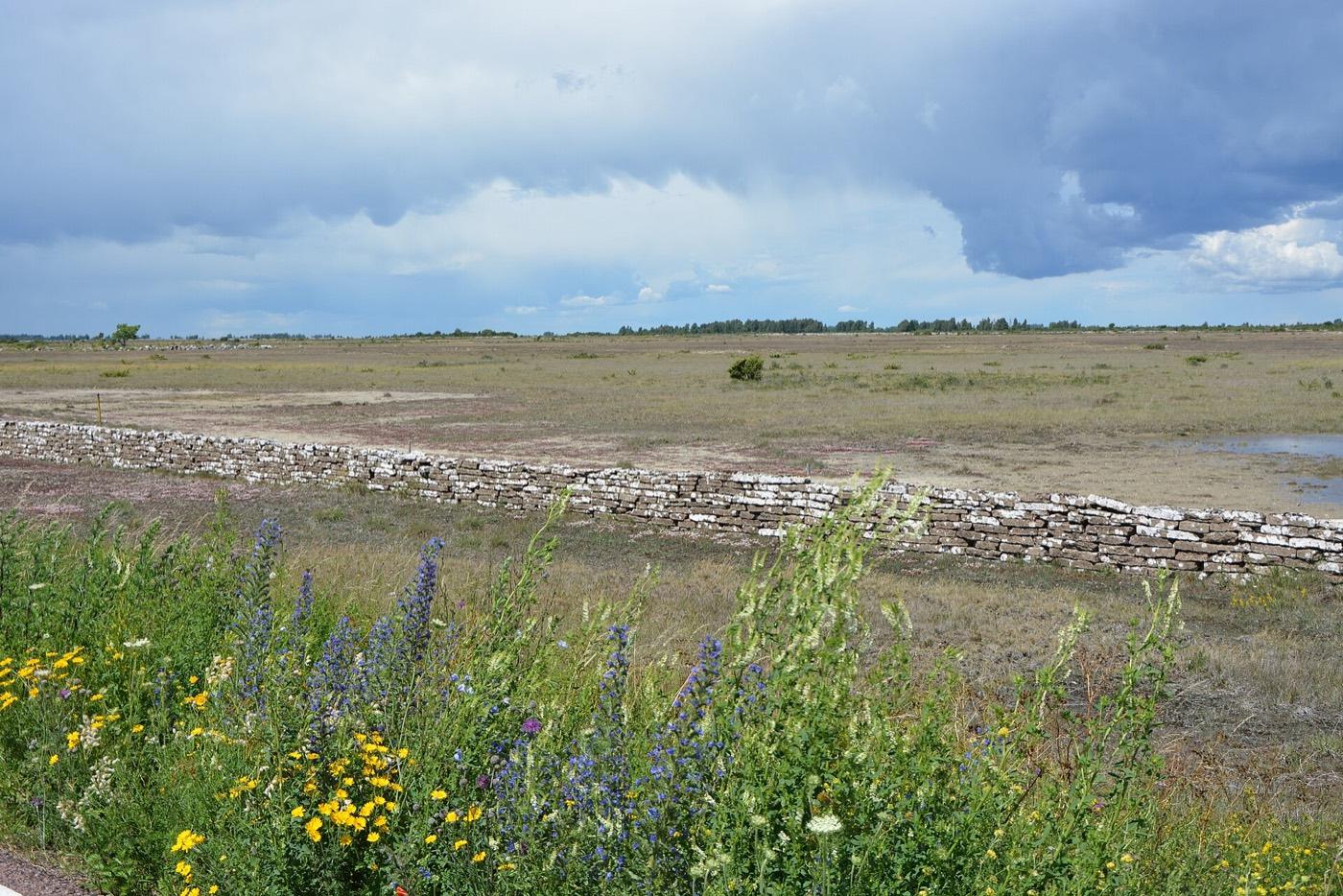 Öland Ordovician Limestone Fossil Hunting GuideNautiloids, Trilobites
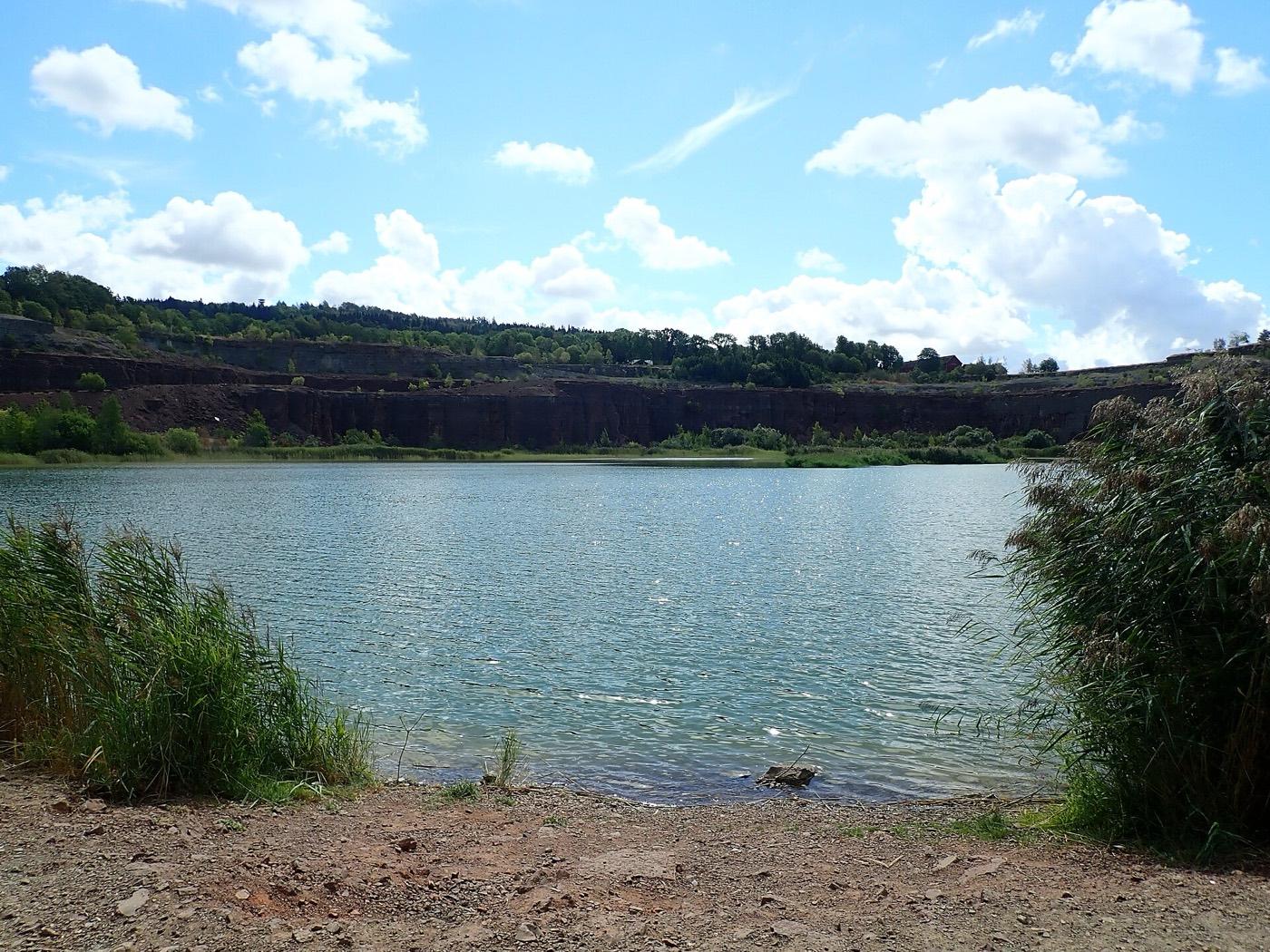 Kinnekulle Quarries Fossil Hunting GuideTrilobites, Nautiloids
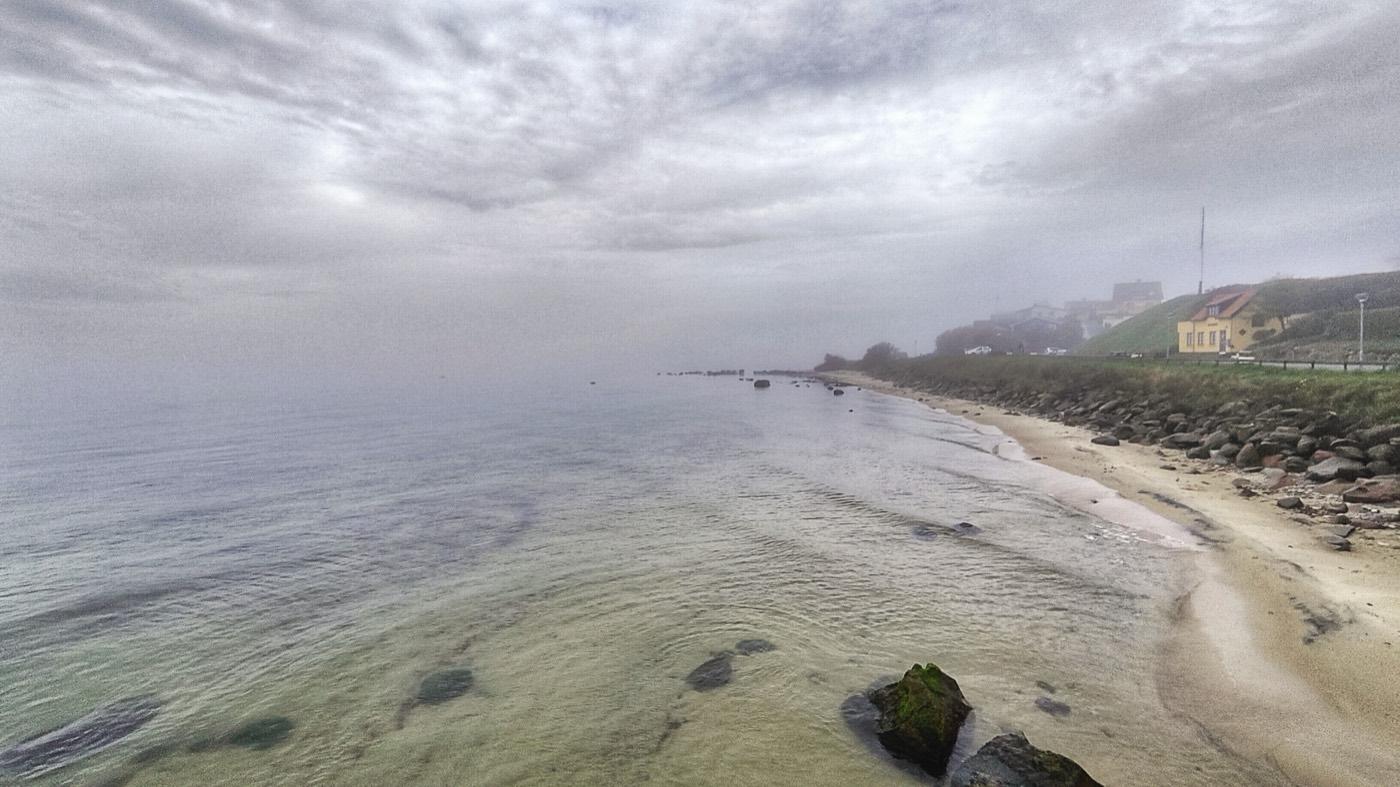 Find Campanian Fossils at Arnager Beach Bornholm Fossil Hunting GuideSponges, Ammonites
 Robbedale Gravel Pit Fossil Hunting GuideTheropod dinosaur teeth, Ornithopod dinosaur teeth